
We have 25 Years of experience in Veterinary Services.
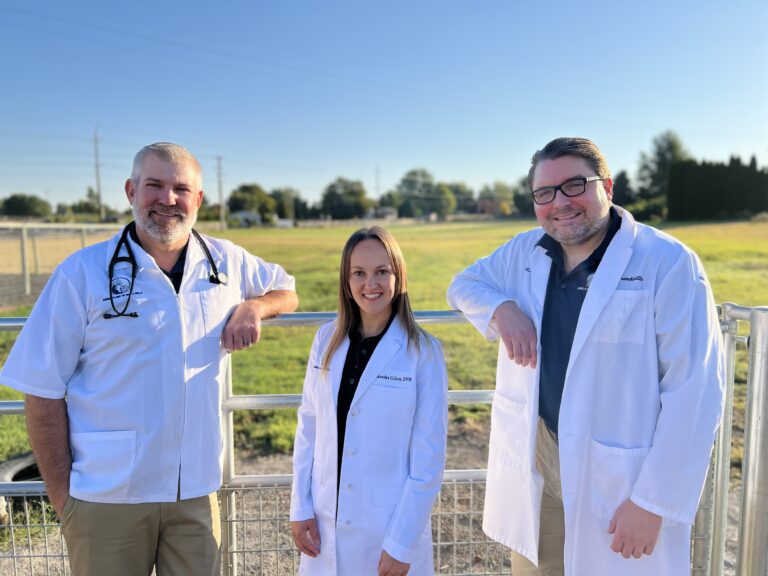
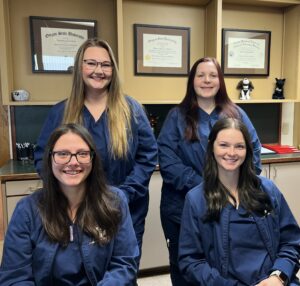
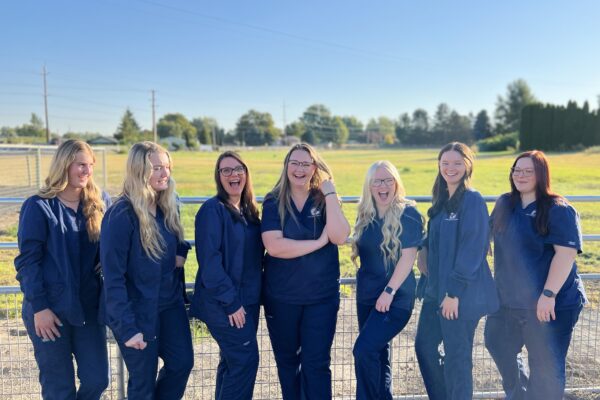
Our mission here at the clinic is to provide exceptional care to animals large and small, while educating their owners. We believe with the right information and care we can help your pets live a longer, healthier life.
Being a good pet parent takes time, patience and love; that’s why we are here to advocate for your pet and help you make informed and educated decisions to promote the best quality of life.
Animal Clinic of Walla Walla is a full-service veterinary hospital providing medical care, dentistry, and surgery for companion animals and livestock. We also offer reproductive services including artificial insemination of dogs, pregnancy diagnosis by ultrasound, semen evaluation and breeding soundness exams. Our diagnostic imaging capabilities include digital radiography and ultrasound as well as state-of-the-art endoscopy with a new a Karl Storz endoscope for non-invasive diagnostics and treatment. We have new IDEXX in-clinic laboratory equipment to provide complete blood count, serum biochemistry profiles, and diagnostic tests with a rapid turn-around for diagnosis and treatment of our patients. With staff trained in basic cytology, urinalysis, and fecal parasite analysis, we provide optimum care for all of the species we treat.
We no longer offer billing at our facility, so all charges are Payment Time of Service. We accept all major credit cards, cash and Care Credit
For Small Animal Emergencies:
If you are in need of an emergency service during business hours Monday-Friday 7:30-5:30pm, depending on the time you call, there may be an emergency fee. For after-hours you can contact the Emergency Services through our office number at 509-525-6111. You will be prompted to either speak with a Veterinary Professional from Guardian Vet or you can leave a message. If you have spoken with a Veterinary Professional and they have suggested your pet be seen by a Veterinarian, you will be referred to and seen by a Veterinarian at Mid-Columbia Pet Emergency Services in Pasco, WA; their contact information is 509-439-746.
(You can now Download our Office Forms in PDF format and complete them before visiting us.)
Canine Boarding Form

Comprehensive Wellness Form
Exam Form
Feline Boarding Form
Medical Admit Form
Recheck Form
Surgery & Dental Form